Learning that you may need skin cancer removal surgery can understandably feel overwhelming. As a Royal College-certified plastic surgeon who specializes in skin cancer reconstruction, my goal is to both remove the cancer completely while achieving the best possible functional and cosmetic outcome.
Many patients are surprised to learn that skin cancer surgery is usually a straightforward outpatient procedure performed under a local anesthetic. Understanding what to expect can help you feel more confident throughout the process.
Step 1: Evaluating a Suspicious Spot
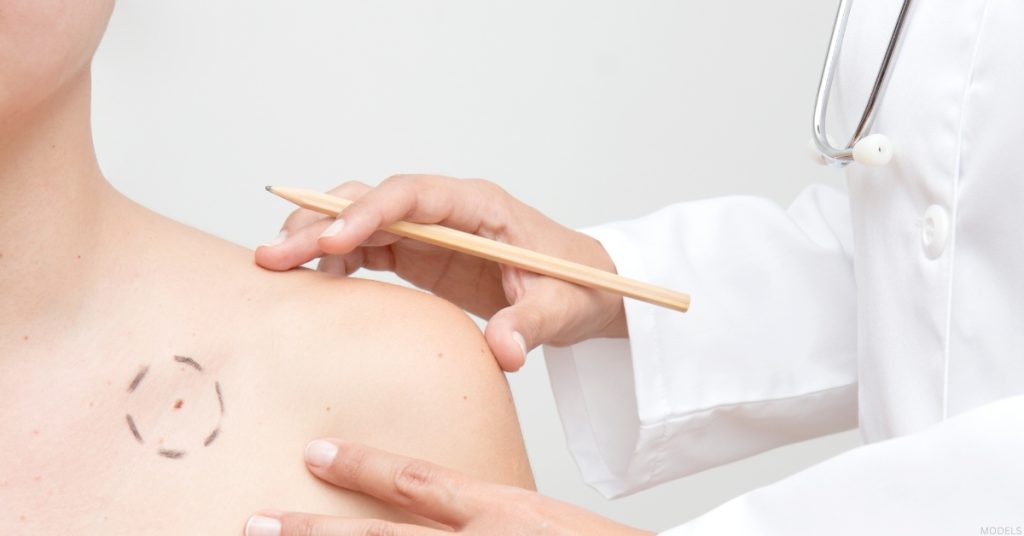
Identifying a lesion that deserves closer attention is the important first step. While excessive sun exposure is the leading cause of skin cancer, cancerous lesions can develop anywhere on the body, even where it is not exposed to the sun.
I encourage patients to seek evaluation if they notice a:
- Mole that changes in size, shape, or colour
- Sore that will not heal
- Lesion that bleeds, crusts, or repeatedly scabs over
- New growth that continues to enlarge
- Rough, scaly, or waxy patch of skin
In many cases, your dermatologist will examine the lesion first and may perform a biopsy. If skin cancer is confirmed or surgical removal is recommended, I will develop a treatment plan based on the type, size, depth, and location of the lesion.
Step 2: Planning Your Surgery
No two cases of skin cancer are exactly alike. Removing a small lesion on the shoulder requires a different approach than treating one on the nose, eyelid, lip, or ear.
As Chief of Plastic Surgery at Trillium Health Partners and a member of the surgical team at the Carlton Skin Clinic in Toronto, I routinely perform procedures that prioritize both complete cancer removal and careful reconstruction.
For facial skin cancers in particular, preserving appearance while maintaining normal function requires thoughtful planning before surgery even begins.
Step 3: Removing the Skin Cancer
Most skin cancer removal procedures are performed comfortably under local anesthesia in an outpatient setting.
After numbing the area, I carefully remove the cancer along with a small margin of surrounding healthy tissue. This margin helps reduce the likelihood that microscopic cancer cells remain.
The removed tissue is then sent to a pathology laboratory, where specialists examine it under a microscope. One of the most important parts of this analysis is confirming that the tissue has clean margins, meaning the cancer has been completely removed with healthy tissue surrounding it.
Some patients may also be candidates for Mohs surgery, a highly specialized technique commonly used for certain facial skin cancers. By examining tissue layer by layer during treatment, Mohs surgery removes the smallest amount of healthy tissue possible while ensuring complete cancer removal. This tissue-sparing approach can be especially valuable in cosmetically sensitive areas.
Step 4: Reconstructing the Area
Removing the cancerous tissue is only part of the procedure. Restoring the treated area is equally important.
For smaller defects, the incision may be closed directly using carefully placed sutures. However, when larger areas must be removed, reconstruction becomes more complex.
One technique I frequently use is called a local flap, which involves carefully repositioning nearby healthy skin to fill the surgical defect. Because the transferred skin closely matches the surrounding tissue, this technique often produces excellent cosmetic results while preserving natural contours.
In other situations, I may recommend a skin graft or other reconstructive approach. Every reconstruction is tailored to your anatomy and the location of the skin cancer.
Step 5: Healing and Follow-Up
After your incision is dressed, we will provide detailed instructions to promote proper healing. Most patients experience only mild discomfort, swelling, or bruising during their recovery, and these symptoms improve steadily over the following days.
Your stitches are typically removed during a follow-up appointment several days after surgery. At that visit, we also review your pathology results and confirm that the cancer has been completely removed.
While every scar matures differently, most continue to soften and fade over several months. Careful surgical technique and appropriate scar management can help minimize their long-term visibility.
Understanding the Different Types of Skin Cancer
Treatment recommendations depend on the specific type of skin cancer being removed. The most common include:
- Basal cell carcinoma is the most common form of skin cancer, accounting for approximately 70 to 75% of cases. Although it rarely spreads to other parts of the body, it can continue to grow locally and damage surrounding tissue if left untreated.
- Squamous cell carcinoma develops in the outer layers of the skin and carries a greater risk of spreading if left untreated. It may appear as a persistent red patch, a rough growth, or a sore that does not heal.
- Melanoma is the most serious form of skin cancer. It often develops within existing moles or pigmented lesions and can spread to other parts of the body. Early diagnosis and treatment are critical.
Protecting Your Skin After Treatment
Having one skin cancer increases your risk of developing another in the future. That is why long-term skin assessment is an essential part of your care.
I recommend:
- Applying broad-spectrum sunscreen with a minimum SPF 30 every day
- Wearing protective clothing and seeking shade during peak sun hours
- Performing regular self-examinations
- Scheduling routine skin examinations with your dermatologist
- Having any new or changing lesions assessed promptly
Early detection remains the most effective way to treat skin cancer before it becomes more extensive.
Expert Surgical Care for Skin Cancer Removal
Successful skin cancer treatment requires more than simply removing a lesion. It requires careful planning, precise surgical technique, and an understanding of reconstructive principles that help preserve both appearance and function.
If you have been diagnosed with skin cancer or have noticed a suspicious lesion, I encourage you not to delay evaluation. Prompt treatment often leads to the best medical and cosmetic outcomes.
If you want to learn more about skin cancer removal and reconstruction, request a consultation using the online form or call our office at (905) 273-3045.
Leave a Reply